
In the past month, violent attacks targeting Jewish communities in Australia have raised concerns about safety, public celebrations and religious freedom. 2 of the most significant incidents were the Bondi Beach attack In Sydney and a separate shooting in Perth. Both shocked the country and drew international attention. While the two events differed in size and location, both highlighted how acts of violence can affect not only those directly involved but also jewish communities around the world.
The attack at Bondi Beach occurred during a public Hanukkah celebration meant to bring people together in a joyful and open environment. Families, children, and community members gathered near the beach for music, prayer, and festivities. Less than two hours into the event, two gunmen opened fire, killing 15 people and injuring dozens more. Among the victims were a 10-year-old child, several rabbis, and a holocaust survivor.
The death of the Holocaust survivor stood out to outsiders and witnesses alike. For them, it was difficult to comprehend that someone who had lived through antisemitic violence decades ago was killed in another act of hatred so many years later. This detail made the attack feel even more painful for Jewish communities around the world.
Before Bondi Beach, another shooting in Perth had already shaken Australia’s Jewish community. The Perth attack targeted a Jewish gathering, leaving people feeling fearful and unsettled. Although it resulted in fewer casualties than the Bondi attack, it raised early concerns about the safety of religious events. Many community members began to question whether public celebrations could still be held without fear, especially during important holidays.
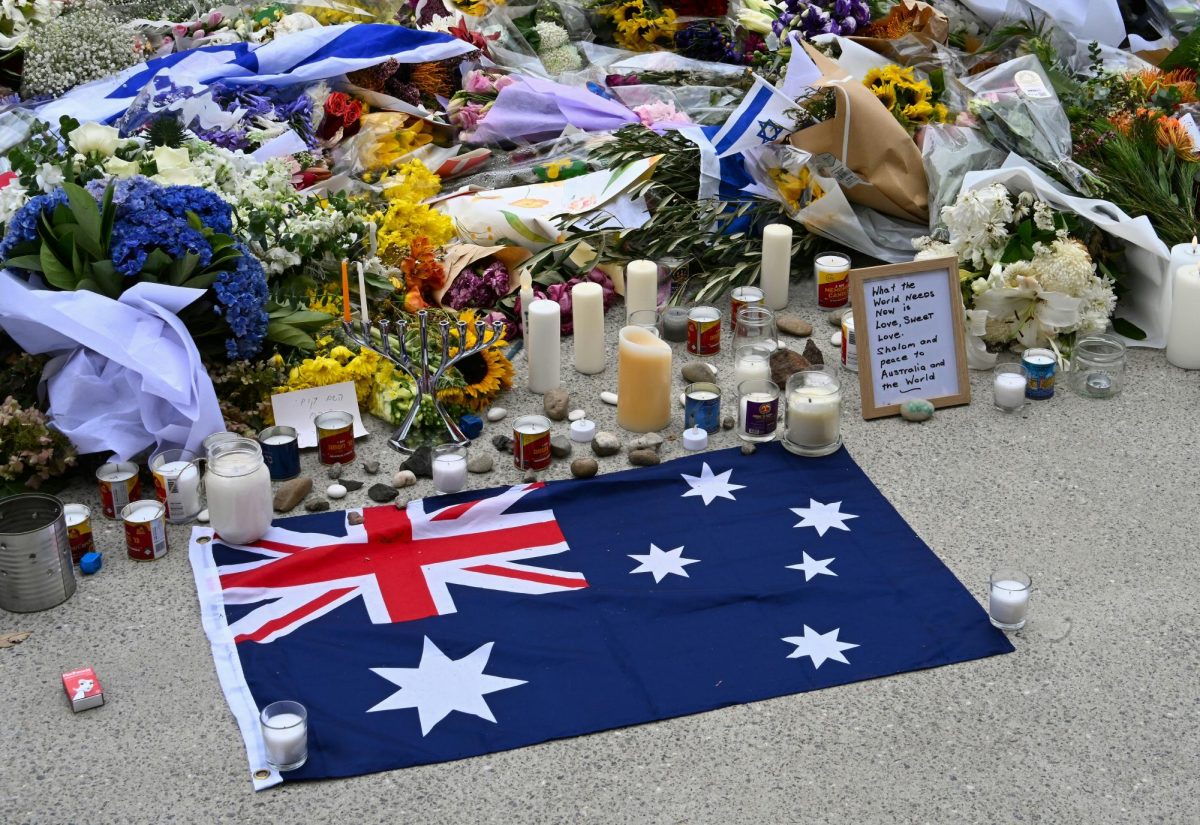
Together, the Perth and Bondi attacks created a powerful emotional impact. Grief spread far beyond Australia, with Jewish communities around the world mourning the victims and reflecting on the growing risks surrounding public religious gatherings. Vigils were held, candles were lit, and people came together not only to remember those who were lost, but also to support one another during an incredibly painful time.
For many, these attacks changed how Hanukkah was experienced. The holiday became more than a celebration of light and joy; it became a reminder of resilience, faith, and unity. Continuing to celebrate felt important, even in the face of fear, as a way to honor those who were killed and to show that hatred would not silence tradition. In moments of tragedy, religious holidays often take on deeper meaning, strengthening the sense of connection within communities.
One student who shared their perspective was Andrew, a freshman at Cresskill High School. Andrew said that when he first heard about the Perth and Bondi shootings, he felt sad for the people involved, especially because someone he knew was directly affected. His friend in Australia was present during the Bondi Beach attack and was injured while attending a ceremony on the beach. Knowing someone who experienced the attack made the event feel much more real and frightening for him.
Andrew explained that after the attacks, there was more security and safety in the area where his friend lives. While he said he does not feel unsafe in Cresskill, the shootings made him realize that even safe towns are not completely protected. He also shared that since many people in Cresskill celebrate Jewish holidays, events like these can emotionally impact the community. Andrew said the attacks remind people to think about others in their culture and to support one another, even when tragedies happen far away.
Another person who shared their thoughts on the attacks was Yael Levy, a freshman at Cresskill High School. Yael explained that when she first heard about the shootings, she felt sadness but also frustration. “I don’t want to say I’m used to this, but this is kind of common these days,” she said, referring to the rise in antisemitism around the world. Yael also strongly criticized the attackers, saying that targeting Jewish people, especially during a holiday, was “stupid” and “cowardly.” She explained that attacking people while they are celebrating something meaningful shows hatred and fear rather than strength.