
Baseball is not a dying sport. The idea that baseball is shrinking in popularity has been widely discussed not only in recent years but over the last half-century. Let’s face it. Baseball is no longer “America’s pastime,” as it was once considered. However, to say that it is a dying sport is inaccurate. In fact, baseball is growing in viewership rapidly in recent years, particularly in the playoffs, with an average of 4.48 million viewers per game, which is the most since 2017 and up 13% from the previous year. If more and more people want to watch the MLB playoffs, then why does baseball just seem to be fading? Well, Major League Baseball has a problem. In fact, it has 3.
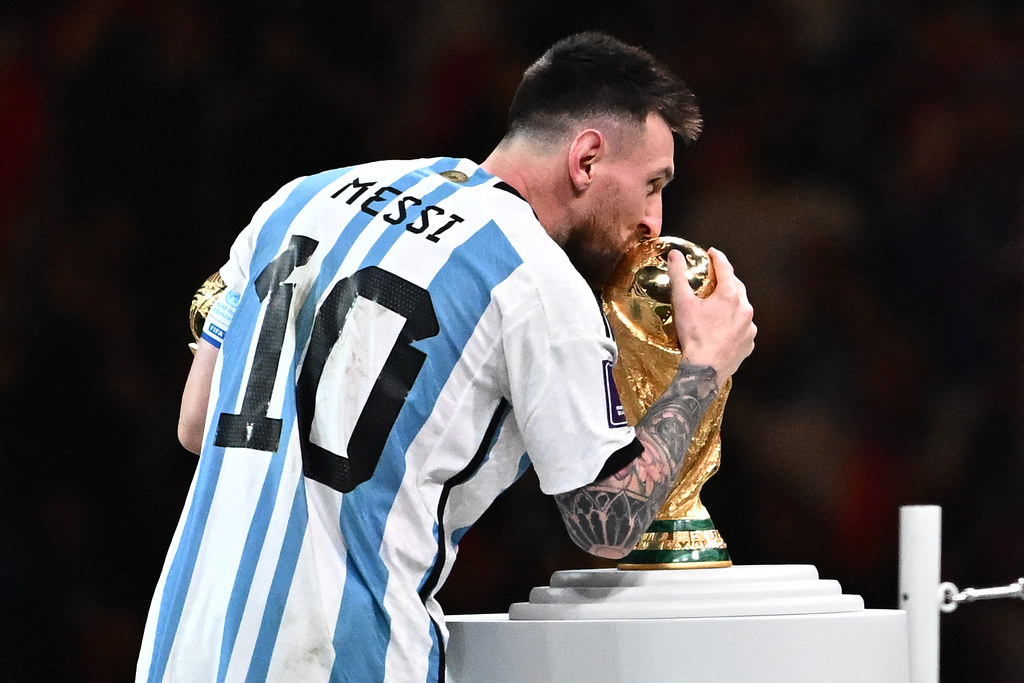
The first, and most obvious reason that baseball seems to be declining in popularity is its competitors. Sports like basketball and football have begun to dominate the sports industry in the United States, and for good reason. They are fast paced, easy to keep up with, and are entertaining for anybody to watch. Baseball, on the other hand, is a slower-paced battle that requires as much mental strength as physical skill. But at the same time, baseball at the high school and college levels continues to grow in prominence, even when stacked against its competitors. So what is really the issue with the MLB’s declining popularity?
Well, to start, Major League Baseball has a season that is ridiculously long. The 162 game marathon of a year for the MLB is nearly twice as long as the 82-game NBA season, and nearly 10 times longer than the 17-game NFL season.. While a large amount of games over the course of the season would theoretically increase potential viewership, the sheer number of games in the season drastically reduces the significance of each individual game. This means that each NBA game will matter almost twice as much for the team’s playoff hopes as any MLB game will.
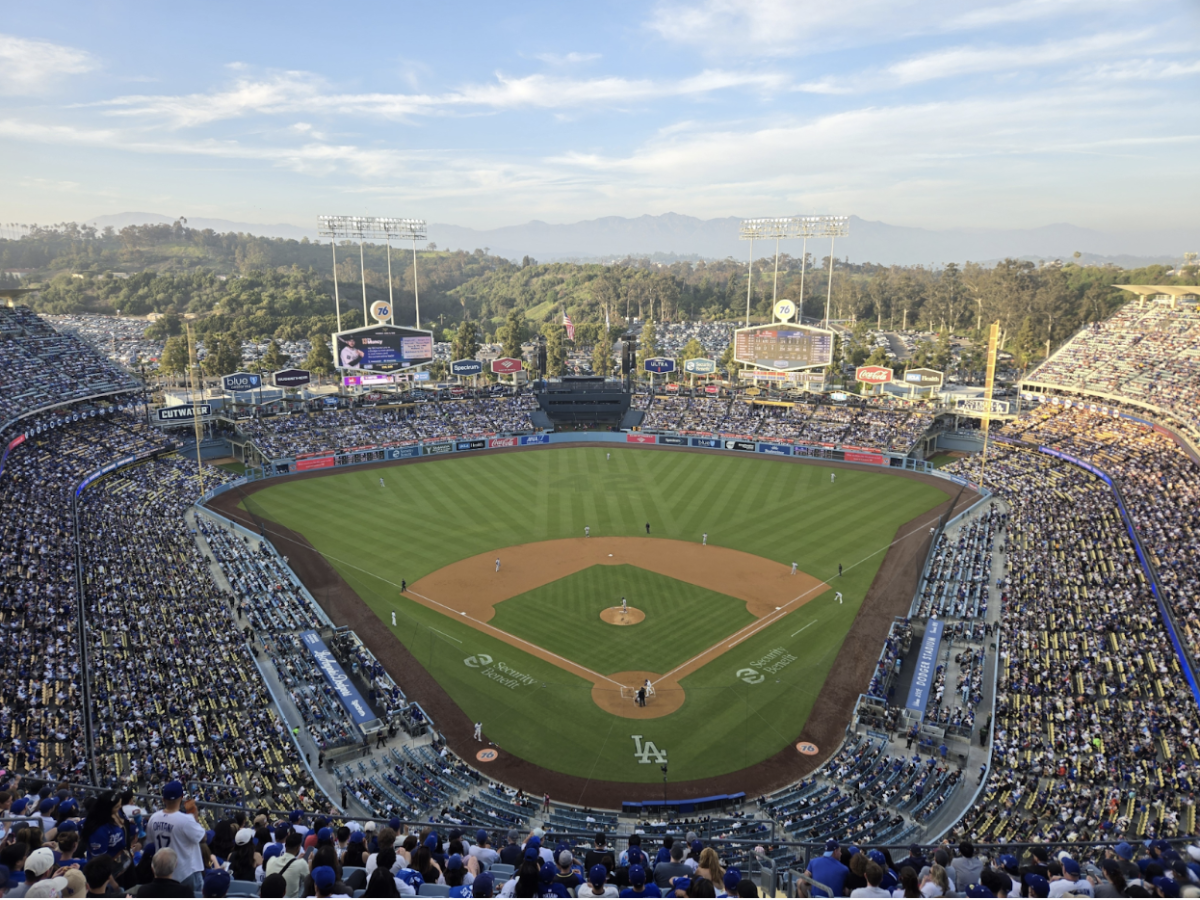
Finally, in my opinion the biggest flaw of the MLB as a whole is its money problem. This offseason alone, we have already seen two of the largest annual contracts signed in the history of the sport, and the highest total contract of over 750 million being signed only a year prior. With such rapid salary inflation, small market teams have no shot of competing with teams from larger cities. For example, the Los Angeles Dodgers, the reigning back-to-back World Series Champions, have recently added several free agents regarded as some of the best in this year’s class. The contract which they offered to free agent Kyle Tucker is worth $60 million per year over the next four years. They also added top closing pitcher Edwin Diaz for $23 million each year for the next 3. For reference, the payroll of the entire Cleveland Guardians team is only $78 million. With this drastic salary gap between small and large cities, there is simply no reason for star players to want to play in smaller cities.
Let’s compare this to the NBA. In the NBA, teams are required to stay beneath a hard salary cap of $154.647 million, with each team having to spend at least 90% of the value. This effectively solves the issue of small market versus large market competition, while also preventing teams from spending very little money when they feel like they have no shot at competing. This creates for more even matchups in games every day, and allows teams from smaller cities, such as last year’s Oklahoma City Thunder, to have a chance to compete with wealthier franchises. If the MLB were to implement such a rule, it would even the playing field between competitors of varying degrees of wealth and also make regular season games more interesting and competitive.
So no. Baseball is not in fact a dying sport. But the MLB has some serious problems.